
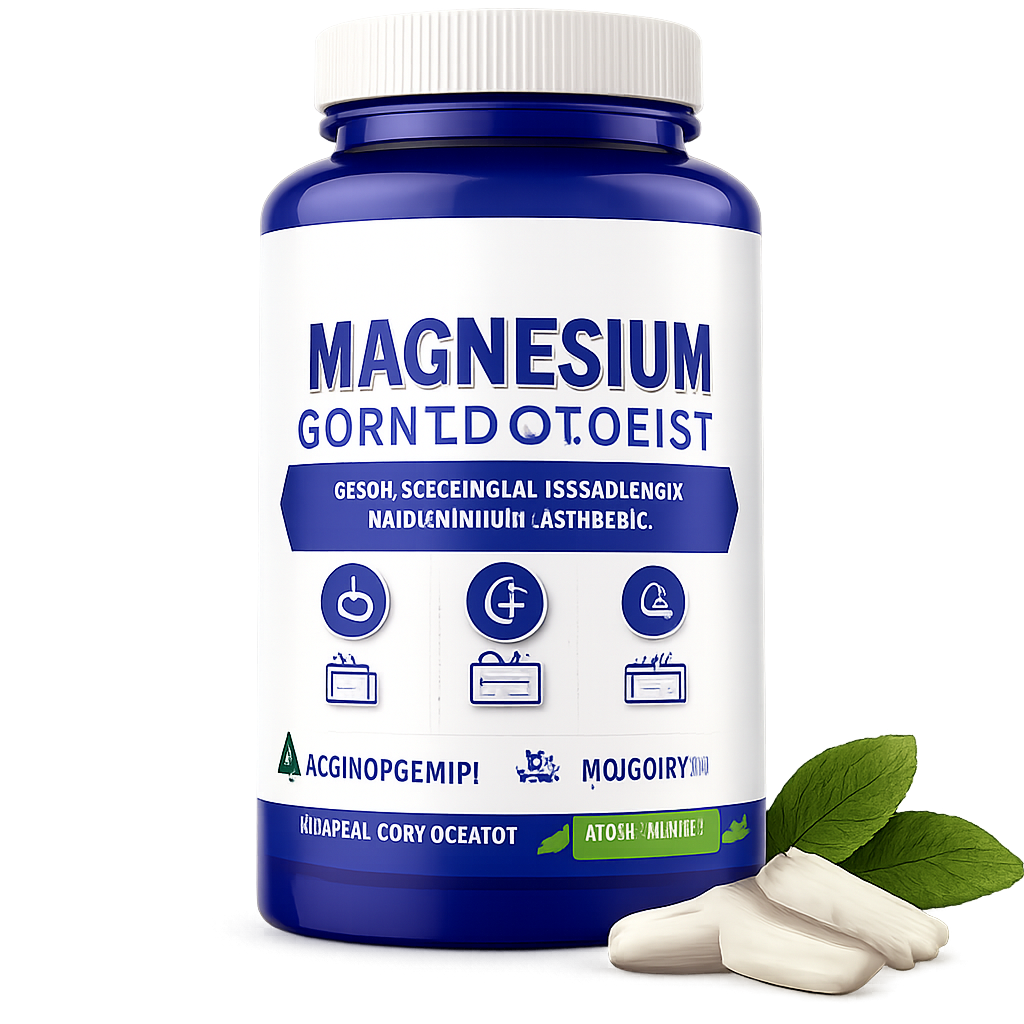
Adding a magnesium health supplement to your daily routine is one of the most straightforward steps you can take toward better overall wellness. But before you just grab the first bottle you see on a shelf, it helps to understand exactly what magnesium does, why so many people are deficient, and which form of magnesium is actually going to work for you.
Why Magnesium Matters More Than You Think
Magnesium is classified as a macromineral, meaning your body needs it in relatively large amounts compared to trace minerals. It is found in your bones, muscles, and soft tissues, and it is involved in everything from energy production to DNA synthesis. When magnesium levels drop, the effects ripple across multiple systems in your body at the same time.
The frustrating part is that magnesium deficiency is extremely common. Studies consistently suggest that a significant portion of adults in developed countries consume less magnesium than the recommended daily amount. The reasons range from poor soil quality affecting the magnesium content of food, to diets heavy in processed foods, to lifestyle factors like chronic stress and excess alcohol, all of which deplete magnesium stores faster than the body can replenish them through food alone.
This is precisely where a magnesium health supplement steps in as a practical solution rather than just another wellness trend.
“Magnesium is involved in over 300 biochemical reactions in the human body — from muscle contraction to nerve signal transmission to energy metabolism.”
Magnesium for Muscle Relaxation – How It Actually Works
One of the most well-known benefits of magnesium is its role in muscle function, specifically its ability to support relaxation. Here is the basic science behind it: muscles contract when calcium enters muscle cells. Magnesium acts as a natural counterbalance, helping calcium exit the cells so the muscle can release and relax again. Without enough magnesium, this process gets disrupted, and muscles stay in a contracted or tense state longer than they should.
This explains why muscle cramps, spasms, twitching, and general tightness are some of the most frequently reported symptoms of low magnesium. Athletes who push their bodies hard often notice these symptoms most acutely, but you do not have to be a professional athlete to feel the effects. Even people who sit at a desk all day and carry stress in their neck and shoulders can benefit significantly from adequate magnesium intake.
A good magnesium health supplement taken consistently over a few weeks can noticeably reduce the frequency of muscle cramps and help your body recover from physical exertion more smoothly. Many people who start supplementing report that the uncomfortable nighttime leg cramps that used to wake them up simply stop happening.
Better Sleep Through Magnesium Supplementation
Sleep is arguably where people notice the difference most quickly when they start taking a magnesium health supplement. Magnesium plays a direct role in regulating the neurotransmitter GABA, which is the primary calming chemical in the brain. GABA essentially signals to your nervous system that it is time to wind down, and without adequate magnesium, GABA activity can be suppressed.
Magnesium also influences the production of melatonin, the hormone that controls your sleep and wake cycle. Low magnesium can interfere with melatonin signaling, making it harder for your body to recognize when it is time to sleep. The result is that familiar pattern of lying in bed with a racing mind and a body that just will not settle.
Sleep benefits reported with regular magnesium supplementation include:
Faster time to fall asleep after getting into bed. Fewer wake-ups throughout the night. A deeper, more restorative quality of sleep overall. Reduced feelings of restlessness and anxiety at bedtime. More consistent sleep cycles, which leaves you feeling genuinely rested in the morning.
Forms like magnesium glycinate are particularly popular for sleep support because glycine itself has calming properties and the combination tends to be very gentle on the stomach.
Supporting Your Nervous System Every Day
The connection between magnesium and nerve health is deeply significant. Magnesium helps regulate the activity of nerve cells by controlling what passes in and out of them. It acts as a natural blocker for NMDA receptors, which are involved in nerve excitation. When magnesium is low, these receptors become overactive, which can contribute to feelings of anxiety, heightened stress responses, hypersensitivity to stimuli, and even issues like tingling or numbness in the extremities.
People who deal with chronic stress often find themselves caught in a frustrating cycle where stress depletes their magnesium stores, and low magnesium makes their stress response even more reactive. Supplementing can help interrupt this cycle by giving the nervous system the raw material it needs to regulate itself more effectively.
There is also growing research interest in magnesium’s relationship with headaches and migraines. Low magnesium levels have been associated with increased frequency of migraines, and several clinical studies have found that regular supplementation can reduce how often migraines occur in people who are prone to them.
Choosing the Right Form of Magnesium Health Supplement
Not all magnesium supplements are created equal, and this is where a lot of people go wrong. The form of magnesium matters because it affects how well your body absorbs it and how it responds to it. Here is a straightforward breakdown of the most common forms you will come across.
Magnesium Glycinate
Widely considered the gold standard for general wellness, sleep, and anxiety support. It is highly bioavailable and very easy on the digestive system, making it a great everyday choice for most people.
Magnesium Citrate
Another well-absorbed form that is popular for people who also want to support digestive regularity. It is slightly more likely to cause loose stools at higher doses, which is actually a benefit for some people but something to be aware of.
Magnesium Malate
Often recommended for people dealing with fatigue and muscle pain, since malic acid plays a role in energy production at the cellular level. This form is commonly used by people managing conditions like fibromyalgia.
Magnesium L-Threonate
A newer form that has shown promising results for crossing the blood-brain barrier, making it particularly interesting for cognitive support and brain health. It tends to be pricier but is worth considering if mental clarity and memory are a priority for you.
Who Should Consider a Magnesium Health Supplement
While almost anyone can benefit from ensuring they meet their daily magnesium needs, certain groups are at higher risk of deficiency and tend to see the most noticeable benefits from supplementation. This includes people over the age of 50, since the body absorbs magnesium less efficiently as it ages. Athletes and physically active individuals who sweat heavily and deplete minerals quickly. People who experience chronic stress or anxiety. Those who drink alcohol regularly. Individuals with type 2 diabetes, since insulin resistance affects how the kidneys handle magnesium. People who take certain medications, including proton pump inhibitors or some diuretics, which can deplete magnesium levels over time.
Pregnant women also have significantly increased magnesium needs, though supplementation during pregnancy should always be discussed with a healthcare provider first.
How to Take Magnesium for Best Results
Timing matters when it comes to getting the most from your magnesium health supplement. Most people find taking magnesium in the evening, around an hour before bed, works well because it aligns the calming effects with their wind-down period and supports sleep quality. However, if you are taking it primarily for muscle support or daytime nerve health, splitting the dose between morning and evening is another perfectly valid approach.
Starting with a lower dose and gradually increasing it is always a sensible strategy. This allows your digestive system to adjust and lets you find the amount that works best for your body without overdoing it. Most adults do well somewhere in the range of 200 to 400 milligrams of elemental magnesium per day, but individual needs vary.
Taking magnesium with food can improve absorption and reduce the chance of stomach upset, particularly with forms like citrate that some people find a little harsh on an empty stomach.
A Simple Mineral With a Profound Impact
There is something almost quietly powerful about magnesium. It does not promise dramatic overnight transformation, and it does not have the flashy marketing of some supplements. What it does offer is reliable, well-researched support for some of the most fundamental aspects of how your body functions and how you feel every day.
Better sleep. Calmer muscles. A nervous system that responds to stress with a little more resilience. These are not small things. These are the foundations of how you move through your days and nights.
If you have been feeling tense, sleeping poorly, experiencing muscle discomfort, or simply feeling like your body is working harder than it should to stay balanced, a magnesium health supplement is one of the most sensible places to start. It is affordable, widely available, backed by solid science, and gentle enough for most people to use long term without concern.
Sometimes the most effective solution is also the simplest one, and magnesium is a perfect example of that truth.
Disclaimer: This article is intended for general informational purposes only and does not constitute medical advice. Always consult with a qualified healthcare professional before starting any new supplement, especially if you have an existing health condition or are taking prescription medications.


Reviews
There are no reviews yet.